Multiplayer Games with Dynamic Team Experiences
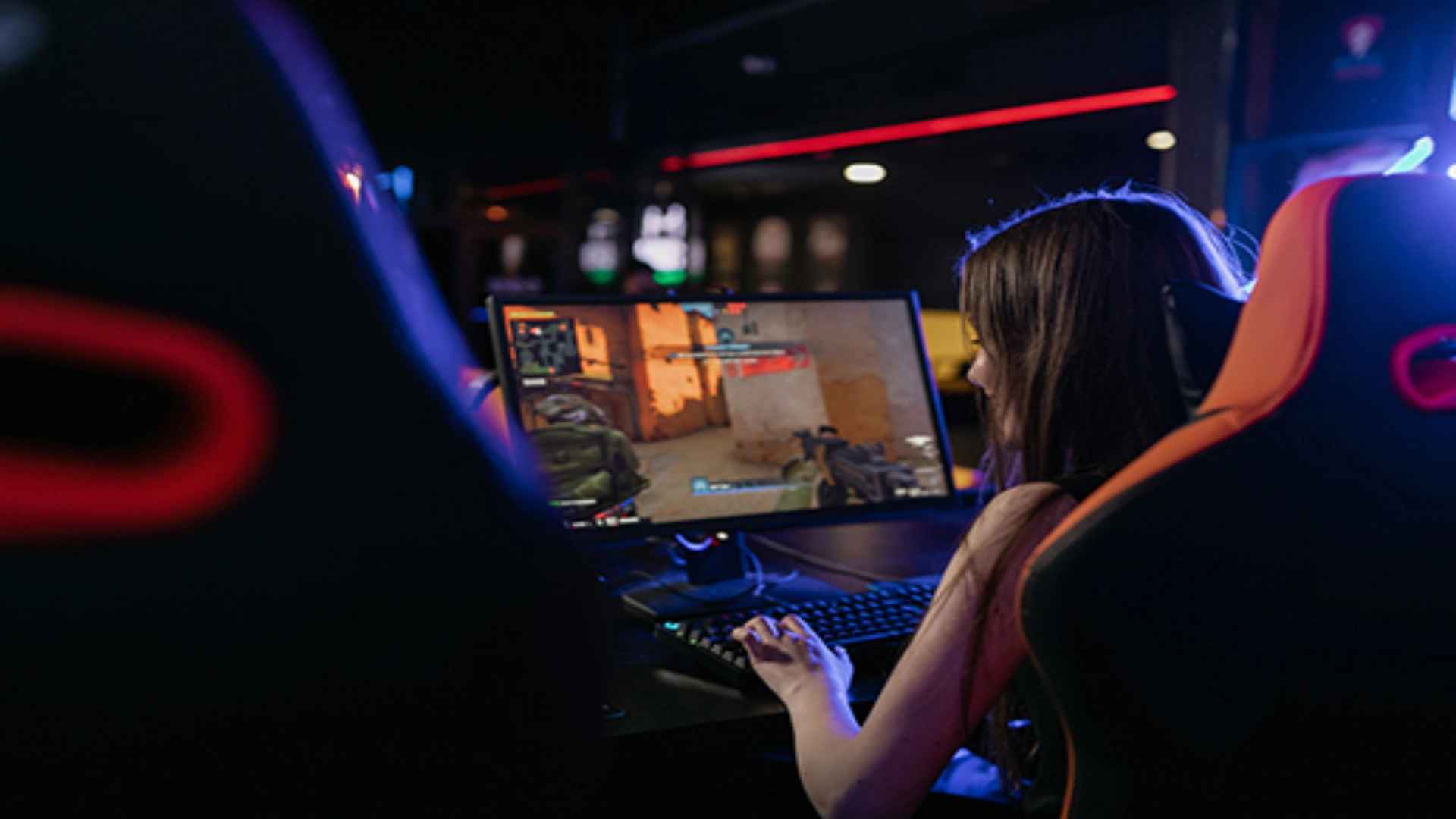
The landscape of modern online entertainment has shifted heavily toward collaborative spaces where players must adapt to ever-changing scenarios in real time. Rather than relying entirely on static mechanics, today's cooperative titles emphasize fluid role assignments and unexpected environmental shifts to keep groups engaged. This evolution has transformed online gaming from basic high-score competitions into deeply interactive and socially complex adventures.
The Evolution of Cooperative Gameplay Mechanics
In the past, multiplayer interactions were often restricted to simple local split-screen modes or basic linear progression pathways. Modern infrastructure now allows developers to build large-scale ecosystems where thousands of players interact simultaneously in shared virtual worlds. These environments utilize algorithmic matchmaking and dynamic server scaling to ensure seamless connectivity across different platforms.
Furthermore, contemporary game design frequently incorporates adaptive difficulty scaling that shifts according to the collective performance of a group. When a squad performs exceptionally well, the system introduces new tactical obstacles to maintain a meaningful and rewarding challenge. This fluid balancing act ensures that veteran players and newcomers alike can find a common ground for mutual achievement.
These advanced systems also introduce live events that alter the virtual terrain or introduce temporary global objectives. Such sudden updates require teams to immediately alter their ongoing strategies and allocate resources differently to succeed. This constant state of flux keeps the gameplay loop feeling fresh and highly unpredictable over long periods.
Fluid Roles and Adaptive Strategies in Virtual Squads
One of the defining features of modern team games is the move away from rigid, unchangeable character classes. Instead of being locked into a single function, players can actively switch abilities or equipment sets in the middle of a battle to respond to emerging threats. This flexibility encourages constant communication and forces teams to develop multi-layered strategic approaches on the fly.
To dive deeper into modern gaming platforms and find resources that cater to varied community interests, checking out an updated m88 link 2 can offer practical guidance. Accessing these dedicated portals helps enthusiasts connect with global systems that are specifically engineered for robust social participation. Mastering these interactive environments ultimately prepares digital squads for more complex competitive tournaments down the road.
Building Meaningful Connections Through Shared Goals
Beyond the mechanical challenges, these digital spaces serve as powerful platforms for fostering real-world collaboration and social skills. Working together to overcome complex objectives drives team identification and creates lasting bonds between participants. The shared triumphs and failures experienced during intense sessions often turn casual interactions into permanent friendships.
As the video game industry continues to innovate, the focus on community-driven gameplay remains a core pillar of development. Players are no longer just passive consumers of content; they are active contributors who shape the social landscape of the virtual worlds they inhabit. This continuous shift ensures that the future of interactive entertainment will remain vibrant, diverse, and fundamentally cooperative.